King Henry VIII – A Brief Background (2025.12.12)
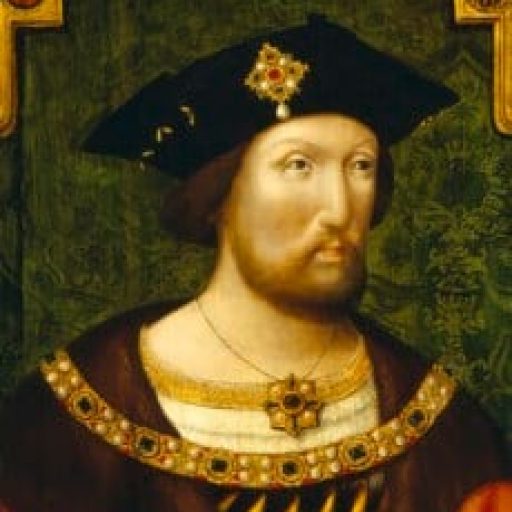
Henry VIII (1491–1547), the second monarch of the Tudor dynasty, ruled England from 1509 until his death. His reign is among the most transformative—and contentious—in English history. Though often remembered for his six marriages, his lasting legacy was political and religious: a decisive break with the Roman Catholic Church and the creation of the Church of England, with the king as its Supreme Head. Motivated by a complicated mix of personal, dynastic, and political pressures, this rupture launched the English Reformation and permanently reshaped England’s religious landscape.
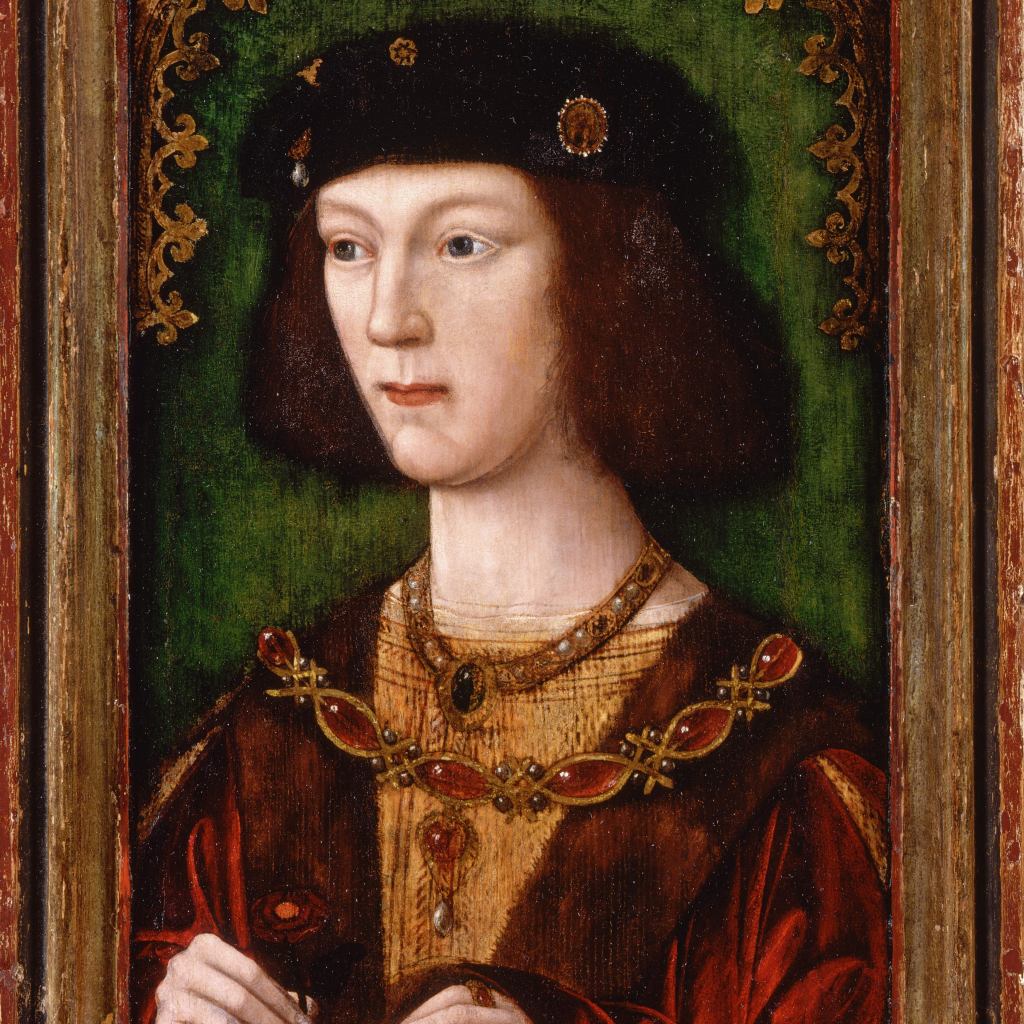
In his youth, Henry was celebrated as an ideal “Renaissance prince.” Contemporary observers admired his handsome appearance, athleticism, and intellectual gifts: he spoke several languages and delighted in music, theology, hunting, and jousting. Early in his reign, he projected chivalric virtue and magnificent splendor, yet he was also restless by temperament—quick to pursue new enthusiasms and just as quick to abandon them. These patterns show in his relationships with Catherine of Aragon, Bessie Blount, Mary Boleyn, and Anne Boleyn: ardent courtship, intense infatuation, and, often, sudden withdrawal.
Henry’s later years were marked by physical decline and mounting volatility. A severe jousting injury in January 1536 produced chronic leg wounds that contributed to pain, reduced mobility, and a noticeably darker temper. Many historians link that decline to an increase in paranoia and harshness during his final decades. By the end of his life, he surrounded himself with a small circle of men he deeply trusted—figures such as Sir Anthony Denny, Sir Anthony Browne, Charles Brandon, Francis Knollys, and Sir William Paget—men who controlled access to him and managed the machinery of government.
Driven above all by the need for a male successor, Henry married six times; two of his queens, Anne Boleyn and Catherine Howard, were executed on his orders. Several former friends and ministers—Thomas More, Thomas Cromwell, Henry Pole, among others—also fell from favor and met violent ends, underscoring the increasingly ruthless nature of his rule.
Henry left three legitimate heirs—Mary I, Edward VI, and Elizabeth I—whose reigns together transformed England culturally, religiously, and politically. In his lifetime, he publicly acknowledged only one illegitimate son, Henry FitzRoy, Duke of Richmond and Somerset (by Elizabeth Blount). Still, historians, biographers, and some genealogists have long speculated that FitzRoy may not have been his only unacknowledged offspring.
In this blog, I will examine that possibility in depth. Using contemporary records, court chronology, fertility timelines, and emerging genetic evidence where relevant, I will argue that Henry likely fathered additional children outside his official line—individuals whose lives and legacies have been marginalized in standard Tudor narratives. Drawing on both primary sources and modern scholarship (including works by Eric Ives, Peter Ackroyd, Elizabeth Norton, Alison Weir, and others), I aim to recover these overlooked figures and explore the dynastic and human consequences of Henry’s private life.
 The Obsessed Tudor